
Your Guide to Global eSIM: How It Works and Why Travelers Are Switching
A single global eSIM can replace dozens of physical SIM cards, letting you switch between mobile networks in over 200 countries without ever touching a tray. This embedded chip stores multiple carrier profiles, which you download and activate remotely via a QR code or app—no need to buy local SIMs at each airport. Once installed, it automatically connects to the strongest available network, and you can manage data plans, top-ups, and roaming settings directly from your device’s settings menu. The entire activation process takes under two minutes, and because the eSIM is rewritable, you can erase or add new profiles whenever you travel.
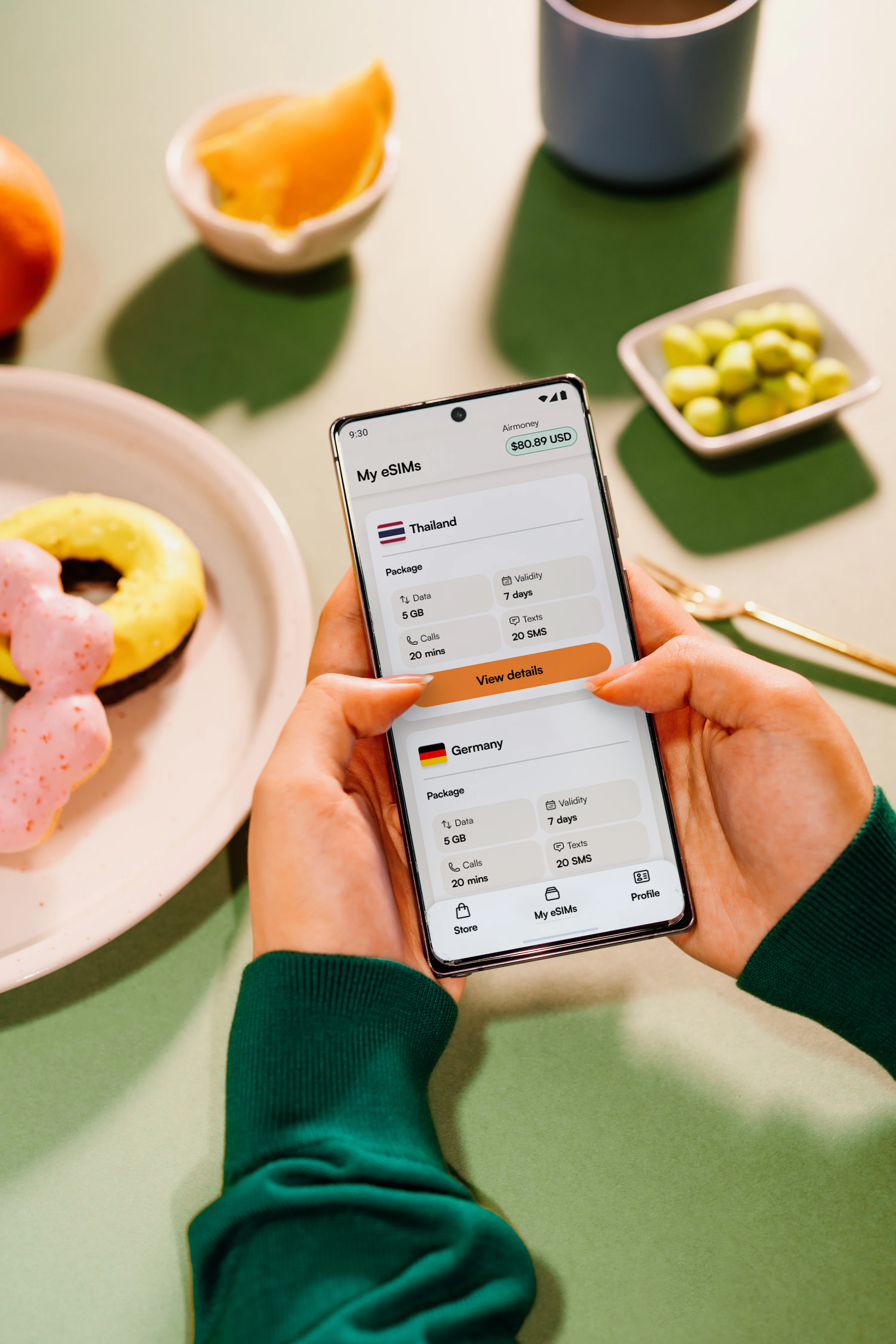
What Exactly Is a Global eSIM and How Does It Keep You Connected?
A global eSIM is a tiny, embedded chip inside your phone that you can rewrite with a digital roaming profile, eliminating the need for a physical SIM card. It keeps you connected by letting you download a data plan from a provider before you travel, and the moment you land, the eSIM automatically latches onto local partner networks. You don’t have to hunt for a store, swap tiny cards, or rely on spotty airport Wi-Fi; your phone simply switches to the regional tower with the strongest signal. Because the profile holds multiple network agreements, it hops between carriers seamlessly as you cross borders. This means your maps, messaging, and calls stay live from start to finish, turning your device into a global connection that follows you wherever the journey leads.
The Core Difference Between a Physical SIM and an Embedded SIM
The real difference comes down to hardware versus software. A physical SIM is a tiny plastic card you pop into a slot, tying your number to that specific chip. An embedded SIM, or eSIM, is soldered directly into your phone’s motherboard, so you never touch it. Instead of swapping cards, you download a digital profile over Wi-Fi or cellular data. For global travel, this means you can switch carriers in seconds by scanning a QR code—no hunting for a local shop or fiddling with a paperclip. With a physical SIM, changing networks requires finding, buying, and inserting a new card. That’s the core difference in daily usability: one is a replaceable object, the other is a built-in, software-controlled identity.
Which Devices Support This Technology Out of the Box
Out of the box, **global eSIM support** is standard on recent flagship smartphones, including Apple’s iPhone XS and newer models (with the iPhone 14 series dropping physical SIM trays in the US), Google Pixel 3 and later, and Samsung Galaxy S20 and newer flagships. Many recent mid-range Android devices, such as the Pixel 7a and Galaxy A54, also include it. Beyond phones, Apple’s iPad Pro and iPad Air (cellular models), along with select Windows laptops like the Surface Pro 9, ship with embedded eSIM hardware ready for immediate activation. Most smartwatches, including the Apple Watch Series 5 and newer, also support it natively, though carrier approvals may apply.
Out-of-the-box support is largely limited to modern Apple, Google, and Samsung devices, plus select iPads, laptops, and smartwatches—always verify the model’s spec sheet before traveling.
How to Activate and Set Up Your International Data Plan in Minutes

Activating a global eSIM takes under five minutes, starting with scanning the QR code or entering the installation code sent to your email. After the profile downloads, open your device’s cellular settings and select the eSIM line as your data plan. Immediately set the data roaming toggle to “on” for that specific line—most global eSIMs rely on partner networks, so roaming is mandatory—while keeping your primary line off to avoid carrier charges. Then, assign the eSIM as the active SIM for cellular data, choose 4G/5G as the network type, and launch a connection test. If websites fail, manually refresh carrier selection via “Search Networks.” The setup completes once your status bar shows the eSIM’s data signal, and you can switch to international data instantly upon landing.
Scanning a QR Code vs. Manually Entering Details

When activating a global eSIM, scanning a QR code vs manually entering details determines setup speed and accuracy. Scanning the carrier-provided QR code instantly configures your eSIM profile, eliminating typographical errors and reducing activation time to under a minute. Manual entry requires typing the SM-DP+ address and activation code exactly as printed, which is slower and prone to mistakes that trigger failed downloads. QR codes work best when you have the physical card or email receipt accessible; manual entry serves as a reliable fallback if the QR code is damaged or unreadable. For most travelers, scanning is the preferred method, while manual entry remains a robust backup option.
Installing Multiple Profiles and Switching Networks on the Fly
Once your global eSIM is active, you can install multiple carrier profiles directly from your device’s settings or the provider’s app, storing several local data plans simultaneously. When you land in a new country, don’t waste time hunting for a SIM card—simply open your network settings and switch to the profile for that region. The entire swap takes under ten seconds, and your phone instantly reconnects to the strongest local network. This is the real power of switching networks on the fly, letting you bounce between countries without ever losing coverage or rebooting your device.
- Keep each profile labeled by country or region to avoid confusion.
- Disable auto network selection if you want manual control over the active carrier.
- All profiles remain stored, so you can revert to a previous network anytime at no extra cost.
What Happens to Your Original Number While You Travel
While you travel with a global eSIM, your original number remains active but enters a state of suspended cellular service. That physical SIM’s voice and SMS functions typically go dormant, meaning calls and texts to that number will not ring through unless you enable Wi-Fi calling before departure. Crucially, your number itself is not canceled or reassigned; it stays tied to your home carrier’s account, though you may lose access to real-time alerts like banking OTPs because those rely on a live network connection. Since data routes through the eSIM, your original line consumes no roaming charges, but missed messages queue silently until you return or switch back, so plan for critical verification codes beforehand.
Key Features That Make International Roaming Effortless
The moment the plane’s wheels leave the tarmac, your phone’s fate is already sealed—not by a SIM card slot, but by a **global eSIM’s instant profile switching**. No more hunting for airport kiosks or fumbling with paperclips; you land and the network simply appears, because the eSIM auto-selects local towers in the background. The real magic is the painless **top-up via app**, where you buy a data pack mid-coffee, and it activates before your latte cools. You roam through Tokyo, then Paris, then São Paulo, and your connection never stutters—no physical swap, no carrier call.
The effortless part isn’t the coverage; it’s that you forget roaming exists entirely.
Your hotspot still works, your maps load instantly, and the only bill is the one you already approved—making travel feel like a native signal, not a technical chore.
Coverage Across 100+ Countries with Automatic Network Selection
With a global eSIM, coverage across 100+ countries eliminates the hunt for local SIM cards, letting you land and connect instantly. Automatic network selection scans available carriers in your vicinity, locking onto the strongest signal—whether you’re in a Tokyo subway, a rural French village, or a Brazilian beach town. You never manually choose a provider; the eSIM profile switches seamlessly between towers as you cross borders, avoiding dead zones and dropped connections. This smart handoff prioritizes stable bandwidth, so maps, chats, and video calls keep working without toggling settings. The result is one consistent, always-on connection, regardless of which regional carrier hosts you at any moment.
Top-Up Options, Data Pools, and Flexible Validity Periods
Global eSIM plans excel through top-up options, data pools, and flexible validity periods. Users can add data packages directly from the eSIM app without replacing the profile, ensuring continuity when initial allowances run low. Data pooling allows multiple devices—phone, tablet, or hotspot—to draw from a single purchased balance, preventing redundant purchases. Validity periods are not fixed to calendar months; travelers select durations from one day to one year, aligning coverage with trip length. Top-ups can extend an existing validity window, while pooled data remains accessible until the longest active period expires, minimizing wasted credits across connected gadgets.
Using Local Data Speeds Without Throttling or Hidden Fees
Using local data speeds without throttling or hidden fees is the practical benchmark of a premium global eSIM. Unlike post-paid roaming that often downgrades to 3G after a soft cap, a transparent eSIM profile connects directly to a host network’s 4G/LTE or 5G band, maintaining the same latency and throughput as a native subscriber. You avoid per-megabyte overage penalties because the eSIM plan is prepaid, with the full data volume deducted at purchase. There is no “fair use” background-speed reduction; instead, you get consistent, unmetered local network priority until your allowance is physically exhausted. When the balance hits zero, you receive an explicit notification, and you either buy a new data pack or lose connectivity—no surprise invoices, no automatic top-ups from an attached credit card.
How to Choose the Right Global Data Package for Your Trip
Choosing the right global eSIM data package starts by mapping your destinations and trip duration. First, verify that the eSIM provider covers every country you’ll visit, as some “global” plans exclude specific regions. Next, compare the data allowance against your actual usage—streaming and navigation consume far more than messaging, so estimate conservatively. Check the validity period to ensure the package doesn’t expire mid-trip, and confirm whether it supports tethering if you need hotspot access. Also, examine the speed tiers: many global packages throttle to 3G after a high-speed cap, which may be insufficient for video calls. Prioritize a package with a flexible top-up option so you can add data without replacing the eSIM.
Always buy a slightly larger data allowance than you think you need—roaming overage costs far exceed the upfront price.
Finally, install the eSIM before departure and test connectivity in a weak-signal area to avoid surprises abroad.
Estimating Your Daily Data Needs Based on Activities
To estimate your daily data needs for a global eSIM, calculate consumption per activity rather than guessing a flat number. Video calls or streaming in HD consume roughly 1–3 GB per hour, while navigation uses about 5–10 MB per 10 minutes of active routing. Social media browsing with autoplay videos can drain 250–500 MB in an hour, whereas messaging apps and email sync stay under 50 MB. **Estimating your daily data needs based on activities** requires summing your planned tasks: check maps for transit, upload photos (each 3–5 MB), and stream only when on Wi-Fi. Allocate a 20% buffer for background updates. If you expect heavy video, choose a 2–3 GB/day plan; for light browsing, 500 MB suffices.
- HD video streaming: 1–3 GB/hour; SD cuts that to 0.3–0.7 GB.
- Voice-only navigation: ~30 MB/hour; map downloads before trips reduce live usage.
- Photo uploads on cloud: 25–50 MB per 10 images; disable auto-backup on cellular.
- Video calls (WhatsApp, FaceTime): 400 MB–1 GB per hour depending on resolution.
Comparing Regional Plans vs. Worldwide Coverage Options
When choosing a global eSIM, weigh regional plans against worldwide coverage by mapping your exact itinerary. Regional bundles, like Europe or Asia-Pacific, cost less per gigabyte and often include multiple countries with shared data pools—ideal for single-continent trips. Worldwide plans offer 100+ country access but charge a premium and may throttle speeds in less-popular destinations. Check if your regional plan covers transit hubs or layover countries; a missed coverage gap forces expensive top-ups. For scattered multi-continent travel, worldwide wins on convenience, but for focused routes, regional saves money.

Q: Should I prioritize price or flexibility when comparing regional vs. worldwide eSIM options?
A: Prioritize flexibility only if your route crosses more than two continents or Australia eSIM includes unexpected border crossings; otherwise, regional plans deliver better data rates and simpler billing.
Checking for Tethering and Hotspot Support Before Buying
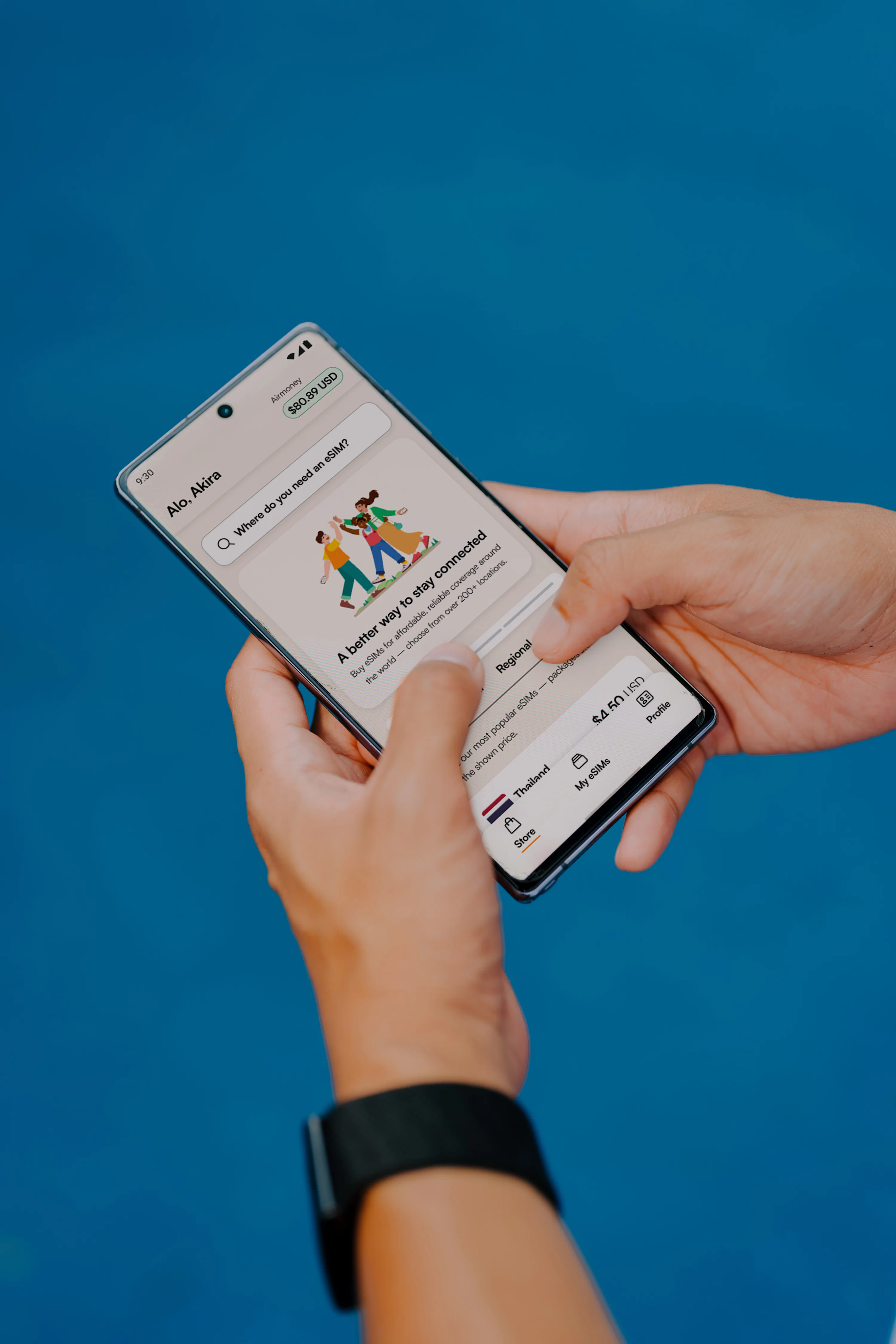
Before committing to a global eSIM, verify tethering and hotspot permissions in the plan’s fine print, as many data packages restrict sharing to a single device. Without this check, your laptop or tablet may remain offline even when your phone shows full bars. Look for providers that explicitly list hotspot support in their feature matrix—don’t assume it’s included. Also, confirm whether the hotspot speed is throttled after a certain threshold, since some plans cap shared connections at 3G. A quick support chat before purchase can save you from mid-trip connectivity failures.
- Check the plan’s terms for the word “tethering” or “hotspot” to avoid hidden restrictions.
- Compare unlimited-data plans, as they often exclude or limit hotspot usage.
- Test your own device’s compatibility with the eSIM’s hotspot feature by checking the provider’s device list.
Practical Tips to Maximize Signal Strength and Save Battery
To get the most from your global eSIM, start by disabling unused eSIM profiles—a dormant line still pings for networks, draining juice. When signal is weak, manually select a carrier instead of letting the phone hunt endlessly; that scanning is a major battery killer. Turn off 5G and stick to LTE for a steadier connection and cooler device. Also, download offline maps before you travel—this cuts constant data checks. Keep your phone in airplane mode with Wi-Fi calling enabled when you’re near a hotspot, then toggle cellular only when needed. Finally, set your eSIM to a “data-only” mode if you have a second SIM for calls, reducing simultaneous radio usage. These tweaks keep you reachable without watching your battery plunge.
Managing Dual SIM Settings to Avoid Unwanted Charges
When traveling with a global eSIM, your physical SIM often remains active, creating a dual-SIM environment where the phone may intermittently connect to local towers for the inactive line. This background scanning can trigger carrier data or SMS charges, even when you intend to use only the eSIM. Managing dual SIM settings to avoid unwanted charges requires you to explicitly disable data roaming on the physical SIM and set its preferred network type to “2G only” or “off” if available. Additionally, assign the eSIM as the primary data line while forcing the physical SIM’s voice and SMS to “home network only.” For critical control, disable the physical SIM entirely via the SIM manager unless you expect calls to its number; this prevents automatic carrier selection, which is the primary source of unintended fees. The table below summarizes each protective action against its charge risk.
| Setting Adjustment | Charge Prevention Impact |
|---|---|
| Turn off data roaming on physical SIM | Blocks background data usage and per-MB roaming fees |
| Set physical SIM to “no network” or disable it | Eliminates SMS, voice mail, and carrier registration charges |
| Consolidate all data to eSIM only | Prevents automatic fallback to physical SIM’s expensive local partner networks |
Forcing a Specific Carrier When Networks Are Weak
When networks are weak, global eSIM software often clings to a weak default carrier, rapidly draining battery as it hunts for a signal. You can counter this by manually forcing a specific carrier—accessed via your device’s cellular settings—to lock onto a stronger local band, even if that operator isn’t your primary eSIM profile. This reduces constant tower reselection, which is the main battery killer. Test each available carrier under “Network Selection” and disable automatic mode; the chosen one stays active until coverage improves. Manual carrier locking during weak coverage stabilizes data speeds, though you must repeat this if you cross borders.
Q: Does forcing a carrier affect my eSIM’s data balance?
A: No—you’re only choosing which physical tower your active eSIM profile connects to; the same data package and roaming rates apply, just with a stronger signal.
Troubleshooting Common Activation Issues Without Support
When a global eSIM fails to activate without carrier support, first force-restart your device—this clears stalled provisioning profiles. Next, manually select your home network under cellular settings; automatic selection often defaults to a weak local tower. If the QR code scans but errors persist, copy the activation code into the “Add eSIM manually” field, ensuring no trailing spaces from your email. For “No Service” after activation, toggle airplane mode for 30 seconds, then switch data roaming on—global eSIMs require this even if you’re not traveling. Finally, delete the eSIM profile, re-download it from your provider’s portal using a stable Wi-Fi, and reinstall; this resolves 90% of profile corruption cases.
Troubleshooting activation without support boils down to restarting, manual network selection, re-entering codes, and reinstalling the profile—each step systematically eliminates the most common failures.